applications of electric overhead cranes
applications of electric overhead cranes
Electric Overhead Cranes (EOT Cranes) are the workhorses of heavy industry, essential for lifting and moving materials with precision and efficiency. Their versatile design and robust operation make them a cornerstone of operations in manufacturing, construction, steel production, warehousing, and numerous other sectors. Understanding the broad spectrum of applications for EOT cranes is crucial for businesses seeking to optimize their material handling processes, enhance productivity, and ensure workplace safety.
Hindustan Cranes & Hoist Co. specializes in designing and manufacturing a comprehensive range of industrial cranes, including EOT cranes tailored to meet specific industrial needs. With a focus on quality, technological advancement, and reliable service, they provide solutions that address the complex material handling challenges faced by modern enterprises.
What Are Electric Overhead Cranes?
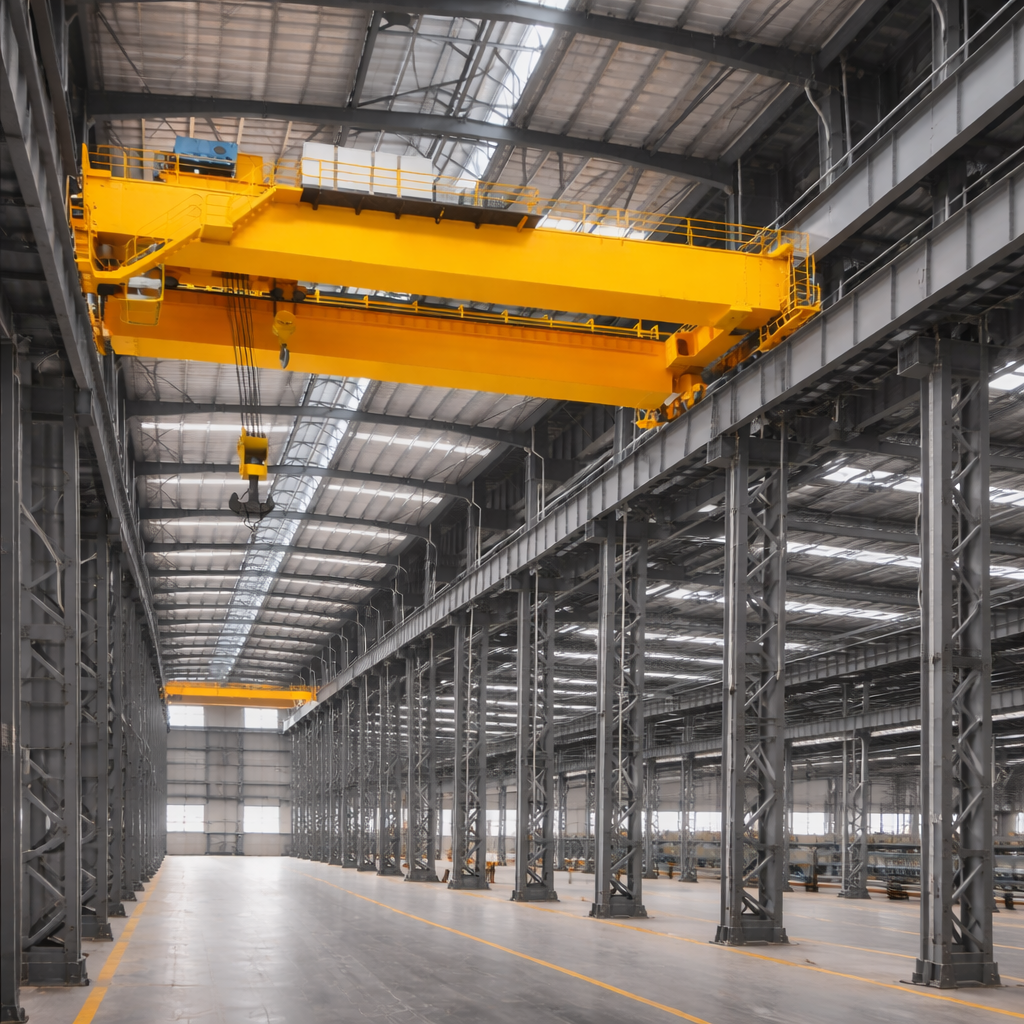
Electric Overhead Traveling (EOT) cranes, often referred to as bridge cranes, are a type of industrial crane designed to lift and move heavy loads within a defined workspace. They operate on a system of overhead rails, typically installed along the length of a building or facility. An EOT crane consists of a bridge structure that spans the width of the area, fitted with a hoist that travels along the bridge. This hoist is responsible for the vertical lifting and lowering of loads.
The entire bridge can move horizontally along the elevated runway, while the hoist (mounted on a trolley) moves perpendicularly across the bridge. This combination of hoisting, trolley travel, and bridge travel movements allows the crane to precisely position loads anywhere within its operational radius. EOT cranes are powered by electric motors, offering controlled and efficient operation, significantly reducing the need for manual labor and minimizing the risk of accidents.
Key Applications of EOT Cranes Across Industries
The versatility of EOT cranes makes them indispensable across a wide array of industrial settings. Their ability to handle heavy loads efficiently and safely contributes directly to operational success and productivity.
Manufacturing Plants
In manufacturing, EOT cranes are vital for transporting raw materials, components, and finished goods between different workstations, assembly lines, and storage areas. They streamline production flow by ensuring materials are moved efficiently, reducing downtime and increasing throughput.
Steel Mills and Foundries
The extreme conditions and heavy loads in steel mills and foundries necessitate robust material handling. EOT cranes are used for handling hot metal ladles, steel coils, billets, scrap, and finished steel products, often requiring specialized designs like high-temperature resistance and hazardous area capabilities.
Construction Sites
While gantry cranes are common on large construction projects, EOT cranes play a role in prefabrication yards and workshops, lifting and positioning large structural components, precast concrete elements, and heavy equipment used in the construction process.
Warehousing and Logistics
Warehouses utilize EOT cranes for efficient loading and unloading of trucks and containers, as well as for stacking and retrieving heavy inventory. This significantly speeds up logistics operations and optimizes space utilization.
Shipbuilding Yards
Shipbuilding involves handling massive components. EOT cranes are essential for lifting and maneuvering large hull sections, engines, and other heavy parts during the assembly of vessels.
Machinery Plants
In plants that manufacture or assemble heavy machinery, EOT cranes are used to lift and position large machine bases, components, and entire units during the manufacturing and assembly processes.
Benefits of Utilizing EOT Cranes
Implementing EOT cranes brings substantial advantages to any industrial operation:
- Enhanced Efficiency: Dramatically speeds up material movement, reducing bottlenecks and improving workflow.
- Reduced Labor Costs: Minimizes the need for manual lifting, lowering operational expenses and manpower requirements.
- Improved Safety: Reduces the risk of workplace injuries associated with manual handling of heavy or awkward loads. EOT cranes provide controlled and stable lifting.
- Precise Load Handling: Offers accurate control over load positioning, crucial for delicate assembly processes or tight spaces.
- Increased Productivity: By streamlining material flow and reducing downtime, EOT cranes directly contribute to higher output.
- Optimized Space Utilization: Operates in three dimensions above the plant floor, freeing up valuable floor space for production activities.
Choosing the Right EOT Crane: A Buyer's Guide
Selecting the appropriate EOT crane is a critical decision that impacts operational efficiency, safety, and cost-effectiveness. Several factors must be carefully considered:
Buyer Insight: Hazardous Area Considerations
For industries dealing with flammable gases, vapors, or dust, such as petrochemical plants or certain manufacturing facilities, specifying cranes with flameproof electrical equipment is paramount. Hindustan Cranes & Hoist Co. offers specialized cranes designed for hazardous environments, complying with safety standards for gas groups like IIA, IIB, and IIC.
Key Selection Criteria:
| Factor | Considerations |
|---|---|
| Load Capacity | Determine the maximum weight of the loads to be lifted. It's wise to consider future needs and choose a capacity slightly above current requirements. |
| Span & Height of Lift | The span is the distance the crane bridge covers. The height of lift is the maximum vertical distance the hook needs to travel. These define the crane's reach and operational envelope. |
| Duty Cycle | This refers to how frequently and intensely the crane will be used. Light, medium, or heavy-duty cycles influence component selection and durability requirements. |
| Trolley and Bridge Speed | The required speeds for trolley and bridge travel affect how quickly loads can be moved. This should align with production cycle times. |
| Power Supply | Ensure the existing power supply is compatible with the crane's electrical requirements. |
| Environmental Conditions | Consider factors like temperature, humidity, dust, and the presence of corrosive or hazardous substances which may require special materials or designs. |
| Control System | Options include pendant controls, remote radio controls, or a crane cabin, depending on operational needs and operator visibility. |
Questions to Ask Before Buying:
- What is the precise nature and maximum weight of the materials I need to lift?
- What is the required operational area (span, height, length of travel)?
- How often will the crane be used, and what is the expected duty cycle?
- Are there any specific environmental or safety regulations (e.g., hazardous areas) that must be met?
- What type of control system best suits my operational workflow?
- What level of service and support is available post-installation?
Hindustan Cranes & Hoist Co.: Your Partner in Material Handling
Hindustan Cranes & Hoist Co. stands as a dedicated manufacturer and supplier of industrial cranes and hoists, committed to providing high-quality material handling equipment and customized engineering services. Based in Ahmedabad, Gujarat, India, the company leverages its expertise to deliver solutions that enhance operational efficiency and safety for a diverse clientele.
Their product portfolio includes a wide range of EOT cranes, gantry cranes, jib cranes, and hoists, designed to meet rigorous industrial standards. Recognizing the critical need for reliability, Hindustan Cranes & Hoist Co. emphasizes technological advancement and research & development to ensure their equipment performs optimally, even in demanding environments. They are particularly noted for their capabilities in manufacturing cranes for hazardous areas, equipped with flameproof electrical components.
With a focus on quality and perfection, the company aims to eliminate downtime for its customers through dedicated technical service support and a commitment to availability. Whether you require a standard configuration or a custom-engineered solution, Hindustan Cranes & Hoist Co. works closely with clients to understand their unique material handling challenges and deliver effective, reliable crane systems.
Frequently Asked Questions About EOT Cranes
What is the primary function of an EOT crane?
The primary function of an EOT crane is to lift, lower, and move heavy materials horizontally within a defined overhead workspace, significantly improving material handling efficiency and safety in industrial environments.
What distinguishes a single girder from a double girder EOT crane?
A single girder EOT crane has one main bridge girder, typically used for lighter capacities and smaller spans. A double girder crane has two main bridge girders, providing greater strength and rigidity, making it suitable for heavier loads and longer spans.
How do EOT cranes improve safety in the workplace?
EOT cranes enhance safety by replacing manual lifting of heavy objects, which is a common cause of workplace injuries. They provide stable, controlled lifting and reduce the risk of dropped loads and physical strain on workers.
Can EOT cranes be used outdoors?
While primarily designed for indoor use, specially designed and protected EOT cranes can be adapted for outdoor applications, such as in shipyards or material storage yards, provided they are built to withstand environmental conditions.
Ready to Optimize Your Material Handling?
Explore the applications of electric overhead cranes and discover how Hindustan Cranes & Hoist Co. can provide the ideal solution for your industrial needs. Contact us today to discuss your specific requirements and get a tailored quote.
Request a Consultation